A new HVAC system should make your home more comfortable and work more efficiently than the one it replaced. But a system is only as good as the installation behind it. That is why choosing the right contractor matters as much as choosing the right equipment.
At Bergeron Mechanical Systems, we have spent over 50 years installing, servicing, and standing behind our work across New Hampshire and Vermont. In that time, we have seen what a bad HVAC install looks like and what it costs homeowners who did not catch it in time.
We are part of the 10% that gets it right every time, and this article is about helping you recognize the other 90% before you become part of that statistic.
What Counts as Improper HVAC Installation?
A bad HVAC install is not always obvious on day one. In many cases, the system turns on, runs, and heats or cools the space, just not the way it should.
The most common errors in improper HVAC installation include:
- Incorrect system sizing for the space being conditioned
- Improper placement of indoor or outdoor units
- Incorrect refrigerant charge at the time of installation
- Poor electrical connections that affect system performance
- Skipped post-installation testing that most manufacturers require
These errors compound over time. A system working against its own installation does not just underperform; it wears out faster and is inefficient; using more energy than it should every time it runs.
4 Warning Signs of a Bad HVAC Install
After decades of installs and service calls across NH and VT, these are the patterns our team at Bergeron Mechanical Systems sees most often in homes where the original installation was not done correctly.
Warning Sign 1: Certain Rooms Never Reach the Right Temperature
If one room consistently runs warmer or cooler than the rest of the house, regardless of how the system is set, that is a zone and sizing problem rooted in the original installation.
A well-designed system accounts for each space it conditions. When that assessment is skipped or rushed, some rooms simply never get what they need, in any season.
Warning Sign 2: The System Turns On and Off Repeatedly Instead of Running Steadily
Mitsubishi Electric Heating and Air Conditioning systems are engineered with inverter-driven compressors specifically to maintain steady, consistent operation.
Frequent on/off cycling is what that technology is designed to reduce. When a correctly specified system short-cycles rather than runs smoothly, it is worth investigating whether the equipment was correctly matched to the space.
Each unnecessary start cycle puts stress on the system and reduces the high-efficiency performance it was designed to deliver.
Warning Sign 3: Unusual Clicking, Buzzing, or Rattling Sounds
A correctly installed Mitsubishi Electric system runs quietly. Persistent clicking, buzzing, rattling, or vibrating sounds indicate an installation issue.
A unit that was improperly mounted, vibration isolation that was omitted, or components that were not secured correctly. These sounds do not resolve on their own and tend to get worse over time.
Warning Sign 4: The System Struggles to Hold the Temperature You Set
Your system should reach and maintain the temperature you set, whether that is during the peak of summer or the most demanding stretch of winter.
A correctly assessed and installed system holds the setpoint. One sized by rough estimate rather than a thorough evaluation of your home may run continuously without reaching your target, or swing past it and overcorrect. Either way, it is a sign that the installation did not start with the right foundation.
The following installation errors all force a system to work harder than it should:
- Incorrect refrigerant charge
- Improper unit placement
- Sizing errors that do not match the system to the space
How to Spot a Bad HVAC Contractor Before You Sign
The gap between a system that performs as designed and one that underperforms often comes down to one thing: installation quality.
Manufacturer-specific training, strict protocols, and post-install verification are what separate a system that delivers on its promise from one that never quite gets there.
| Bergeron Mechanical Systems | Contractor to Avoid | |
| System Assessment | Full evaluation of your home and comfort goals with our Design Team | Recommends a system based on square footage alone |
| Licensing | Current NH/VT state licensing and insurance | Vague about credentials or unlicensed |
| Manufacturer Certification | Mitsubishi Electric Diamond Elite Contractor | No manufacturer certifications or training |
| Warranty | 12-year parts and labor warranty on all Mitsubishi Electric related components | Unclear or verbal promises only |
| Post-Install Testing | Tests and verifies system performance after installation | Turns it on, confirms it runs, and leaves |
| Communication | Explains the process and answers all questions | Avoids specifics or pressures you to sign quickly |
If the contractor you are considering falls into the right column on more than one row, that is worth reconsidering. Schedule a Free Design Consultation with Bergeron Mechanical Systems and experience a highly qualified contractor in person.
What the Mitsubishi Electric Diamond Elite Contractor Status Actually Means for You
Bergeron Mechanical Systems is recognized as a Mitsubishi Electric Diamond Elite Contractor, the highest certification level Mitsubishi Electric offers. Based on a proven track record and high standard of customer service, Bergeron Mechanical Systems is recognized as the top 1% of Mitsubishi Electric Diamond Elite Contractors nationwide.
This certification requires ongoing factory training on current Mitsubishi Electric Heating and Air Conditioning systems, demonstrated field performance across installations, and regular recertification.
For homeowners, that translates into one of the most comprehensive warranties available: a 12-year parts-and-labor warranty on all Mitsubishi Electric-related components.
How Bergeron Mechanical Systems Approaches Every Installation
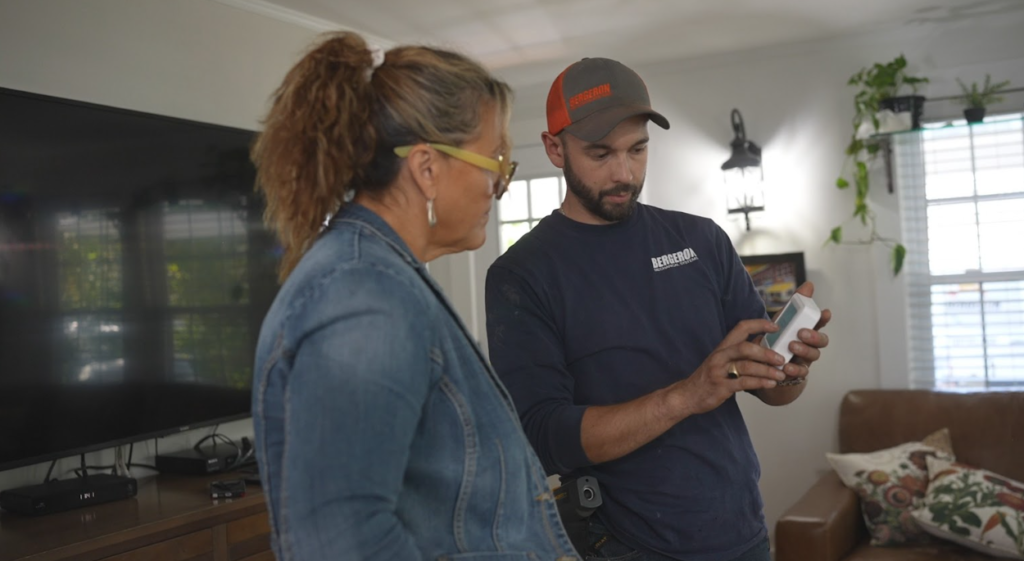
Every project we take on follows a structured process built around four pillars: Safety, Quality, Delivery, and Price.
Here is what that looks like in practice:
- Free Design Consultation: One of our design team members comes to your home, learns about your comfort needs and what you want from your space, and recommends the right Mitsubishi Electric system for you
- System selection built around your home: The recommendation comes from what we learn during the consultation, not from a square footage estimate
- Building Permit is Pulled: Bergeron Mechanical Systems works with the local code officer for every job, ensuring all safety codes are met
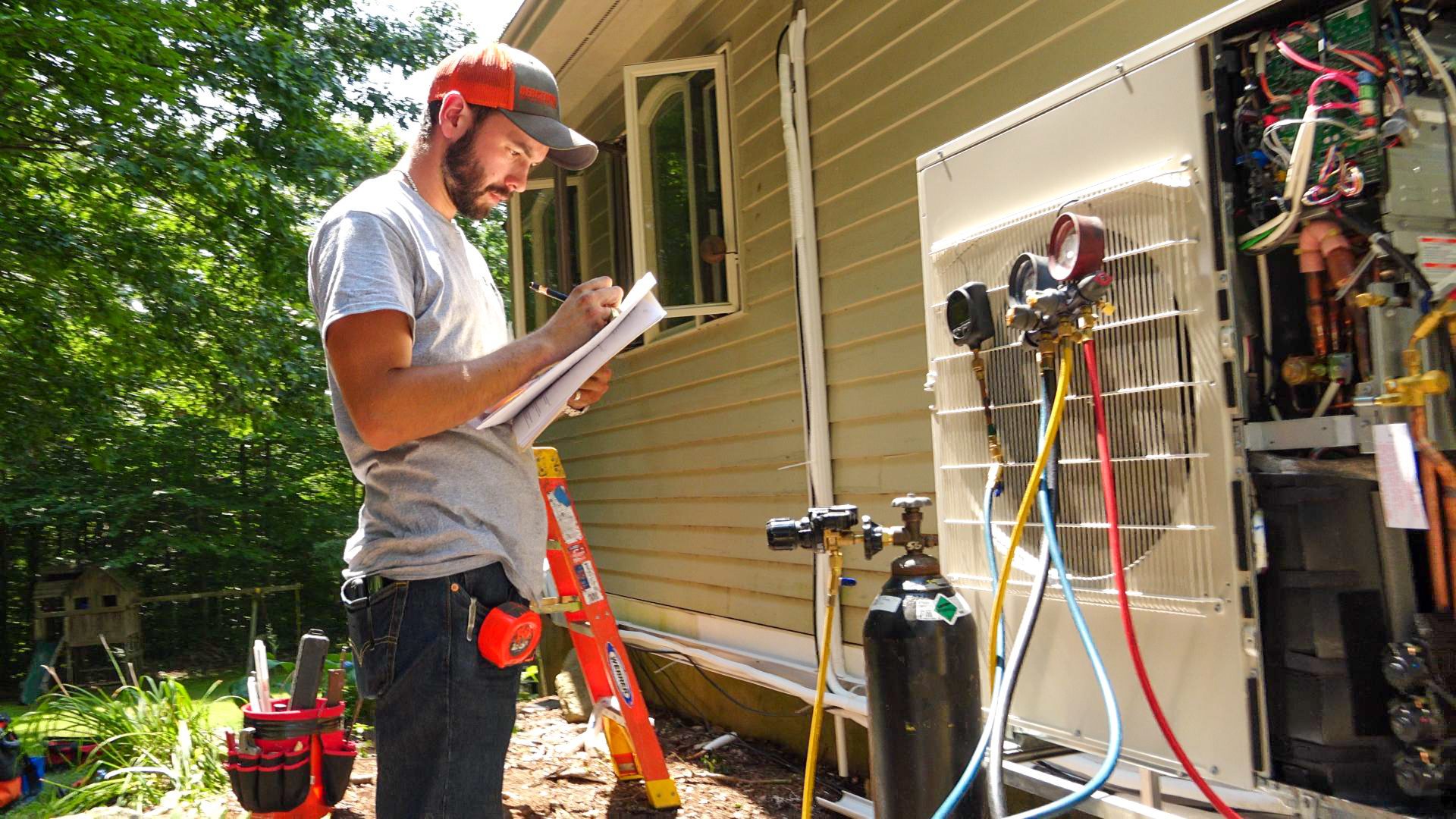
- Professional installation to Mitsubishi Electric standard: Every connection, line set, and bracket is installed the way the manufacturer requires
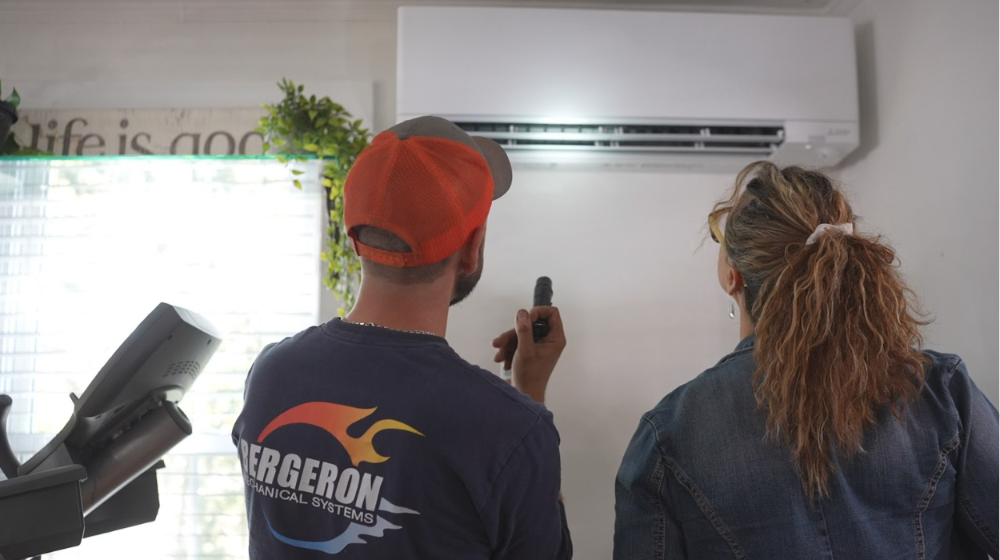
- Full system check before we leave: Our installation team makes sure everything works and functions correctly before the job is considered done
- Homeowner walkthrough: We answer all your questions, teach you how to use your system, and remain available after installation for anything that comes up
- Inspection and Permit Close: We schedule the inspection with the local code officer and then close the permit
Want to see Mitsubishi Electric Heating and Air Conditioning systems in person before making a decision? Visit The Comfort Zone in Keene, the only Mitsubishi Electric ductless HVAC showroom in the Monadnock Region.
Bergeron Mechanical Systems: 50 Years of Getting It Right
With over 500 five-star reviews related to the design and installation of mini-splits (no furnace or plumbing reviews), and more than 50 years of family-owned experience serving NH and VT, Bergeron Mechanical Systems has built its reputation on installations that perform as they should from day-1 and exceptional customer service.
Ready to make sure your HVAC system is installed correctly? Schedule a Free Design Consultation with Bergeron Mechanical Systems.
Frequently Asked Questions About Improper HVAC Installation
How can I tell if my HVAC system was installed incorrectly?
The most common signs of a poor HVAC installation are rooms that never reach the right temperature, frequent on/off cycling, unusual sounds from the unit, and a system that cannot hold the temperature you set. Any of these is worth having a professional look at.
Do Mitsubishi Electric heat pumps work year-round in New Hampshire and Vermont?
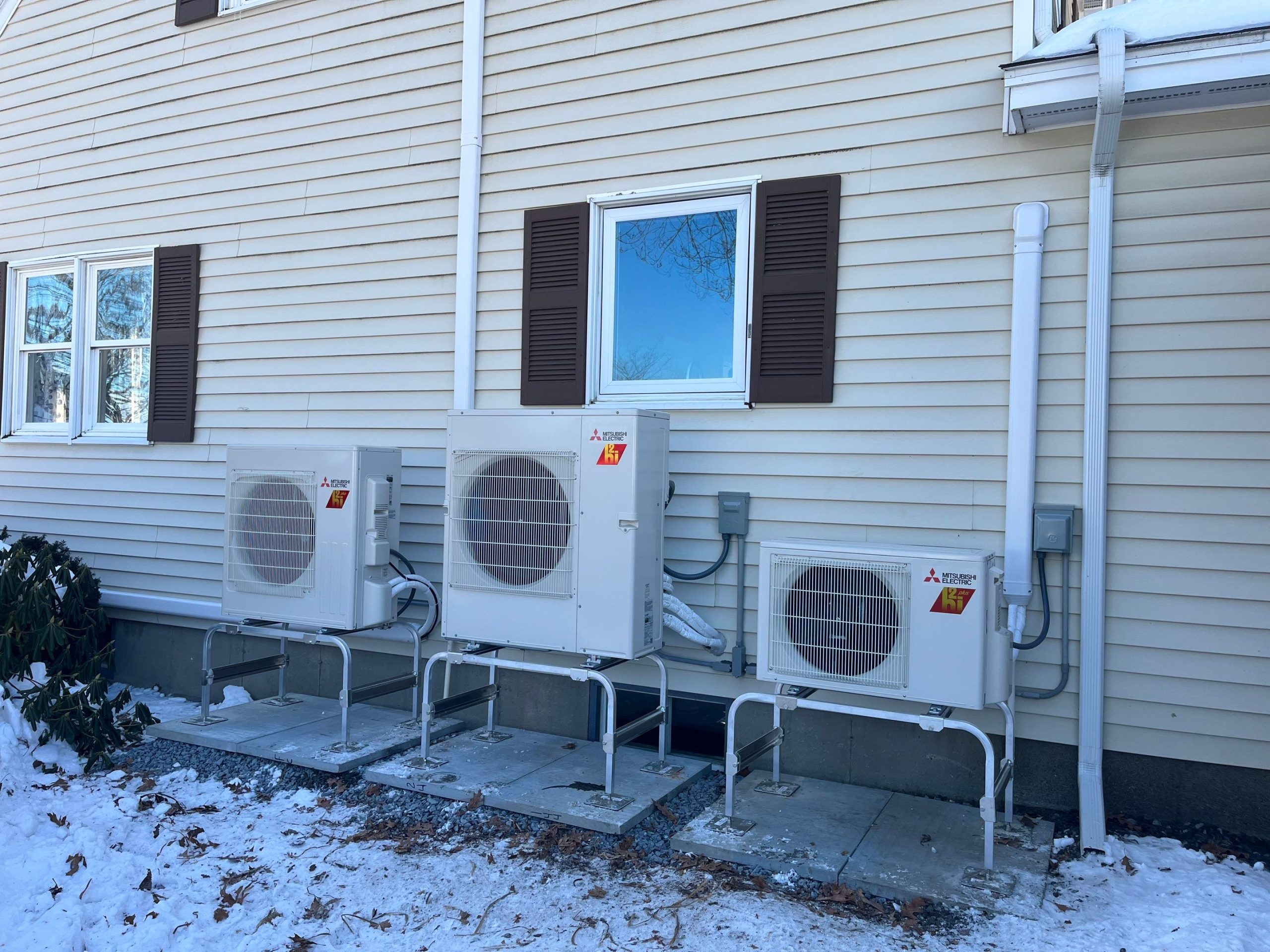
Yes. Mitsubishi Electric H2i plus Heating and Air Conditioning systems are engineered for high-efficiency year-round performance, including during the most demanding conditions that NH and VT winters bring. When a system struggles to keep up, the issue is almost always installation quality or incorrect sizing, not the technology itself.
What should I look for when hiring an HVAC contractor in NH or VT?
Look for current state licensing and insurance, Mitsubishi Electric Diamond Elite Contractor status, a clear process for assessing your home before recommending equipment, credible mini-split specific reviews, written warranty terms that spell out what is covered and by whom, and post-installation testing as a standard part of the job.
Does a bad HVAC install affect my warranty?
Yes. An installation that does not meet factory standards can affect your ability to make a warranty claim, which is one more reason that who installs your system matters as much as what system you choose.